

We all want to save money and do our part for the planet. With rising energy costs and growing environmental concerns, finding ways to cut down on energy usage is more important than ever. That’s why I created this post. It’s packed with practical energy-saving tips that can help you lower your bills while making a positive impact on the environment.
If you’re someone who cares about sustainability and is looking for simple ways to make your home more energy-efficient, this guide is for you. Whether you’re a seasoned eco-warrior or just starting your journey toward a greener lifestyle, these tips can streamline your efforts. You’ll discover straightforward hacks that can reduce your energy consumption and save you money every month.
Get ready for a wealth of knowledge! I’ve compiled 12 easy-to-follow energy-saving tips that are not only practical but also perfect for anyone looking to create a more eco-friendly home. From upgrading your light bulbs to embracing renewable energy, these strategies will empower you to take control of your energy usage and make a difference in your everyday life.
Key Takeaways
– Upgrade Your Light Bulbs: Switch to LED bulbs to lower your electricity costs and reduce waste. They’re more efficient and last longer than traditional bulbs.
– Seal Those Drafts: Check windows and doors for drafts. Sealing gaps can significantly reduce heating and cooling costs.
– Use a Programmable Thermostat: Set your thermostat to adjust temperatures based on when you are home or away, maximizing savings on heating and cooling.
– Unplug Devices When Not in Use: Many devices consume energy even when turned off. Unplugging them can help reduce your electricity bill.
– Embrace Renewable Energy: Consider solar panels or renewable energy options. They may have upfront costs but can save you money in the long run and help the planet.
Saving energy starts with mindful habits. If you want to simplify your lifestyle, check out our 14 Mindful Tips to Simplify Your Life for a clutter-free and eco-friendly home.
Contents
- 1. Upgrade Your Light Bulbs
- 2. Seal Those Drafts
- 3. Use a Programmable Thermostat
- 4. Insulate Your Home
- 5. Unplug Devices When Not in Use
- 6. Switch to Energy Star Appliances
- 7. Wash Clothes in Cold Water
- 8. Opt for Natural Ventilation
- 9. Use Energy-Efficient Window Treatments
- 10. Maintain Your HVAC System
- 11. Grow Your Own Food
- 12. Embrace Renewable Energy
1. Upgrade Your Light Bulbs

Switching to LED bulbs is an effortless way to boost your energy savings. They use at least 75% less energy than incandescent bulbs and can last up to 25 times longer. Imagine illuminating your home with warm, inviting light while slashing your electricity bills at the same time!
Start by replacing the bulbs in your most-used spaces. Consider different colors and brightness levels to enhance your home’s ambiance. This simple upgrade not only saves you money but also helps create a cozy atmosphere.
Key reasons to switch:
– Energy Efficiency: Consume significantly less energy.
– Long Lifespan: Enjoy up to 25 times longer life.
– Lighting Variety: Choose from various colors and brightness levels.
With each bulb you replace, you’re taking a step towards a more sustainable lifestyle while enjoying the benefits of better lighting in your home!
Image credit: Sonluma LightDoctor on Pinterest
Upgrade Your Light Bulbs
Editor’s Choice


How To Choose Energy-Efficient Appliances
Choosing energy-efficient appliances can significantly lower your bills while also helping the environment. Here’s a simple guide to help you make the best choices when upgrading your home appliances.
1. Look for the Energy Star Label
When shopping for new appliances, always check for the Energy Star label. This label indicates that the appliance meets energy efficiency guidelines set by the U.S. Environmental Protection Agency. Energy Star appliances use less energy, which can save you money on your utility bills over time. Remember, choosing these appliances can also help reduce greenhouse gas emissions.
2. Consider Size and Capacity
Before you buy any appliance, think about its size and capacity. For example, a large family may need a bigger refrigerator or washing machine. However, if you choose an oversized appliance for a small household, you might waste energy. Measure your space and choose an appliance that fits both your needs and your kitchen or laundry area.
3. Check the Energy Use Ratings
Every appliance has an energy use rating, usually displayed on a label. This rating tells you how much energy the appliance consumes compared to others. Look for appliances with lower kilowatt-hour (kWh) ratings. Generally, lower numbers mean more savings on your electricity bill. Compare similar appliances to find the best option for your budget.
4. Review Features and Settings
Many modern appliances come with energy-saving features. For instance, some dishwashers have eco modes that use less water and electricity. Washing machines may offer cold wash settings, which save energy compared to hot water. Take the time to understand the features offered, and choose appliances with options that align with your energy-saving goals.
5. Factor in the Long-term Cost
While the initial price can be tempting, consider the long-term savings of energy-efficient appliances. Sometimes you may pay a little more upfront, but you’ll save money over time due to lower energy bills. Calculate the estimated annual energy costs of the appliance and consider how long you plan to use it. This will help you make a more informed decision.
6. Research Brands and Reviews
Not all brands have the same reputation for energy efficiency. Do a bit of research on different brands and read customer reviews. Look for products with a track record of reliability and energy savings. Online reviews can also provide insights into how well appliances perform in real-life settings.
Pro Tip: Before making any purchase, always think about your specific needs and lifestyle. An appliance that’s perfect for one household may not work for yours. Take your time, do your research, and choose what fits your life best!
By following these tips, you can select energy-efficient appliances that will help you save money and reduce your environmental impact. Making informed choices is a great step towards a sustainable home!
2. Seal Those Drafts

Drafts can quietly inflate your energy costs without you even noticing. Take the time to inspect gaps around windows, doors, and electrical outlets. Sealing these areas can greatly enhance your home’s energy efficiency. Use weather stripping or caulk to keep that cozy air in and the drafts out!
By making these small fixes, you can ensure a comfortable living environment and lower bills. Focus on areas that are frequently exposed to outside air for best results.
Here’s how to tackle drafts:
– Windows: Apply window film for winter insulation.
– Doors: Install a door sweep or draft stopper.
– Outlets: Use outlet gaskets to minimize energy loss.
These easy projects can transform your home into an energy-efficient haven while keeping you comfortable year-round!
Image credit: Coolio Finds on Pinterest
3. Use a Programmable Thermostat

A programmable thermostat can revolutionize how you manage your home’s heating and cooling. This handy device allows you to set temperatures based on your schedule, so you’re not wasting energy when no one is home. It’s a simple way to ensure comfort while reducing unnecessary energy use!
Take full advantage of its features by programming it to cool or heat just before you arrive home. This ensures you walk into a perfectly comfortable space without wasting energy.
Benefits of using a programmable thermostat:
– Cost Efficiency: Save up to 10% on heating and cooling.
– Convenience: Set it and forget it!
– Eco-Friendly: Lower your carbon footprint.
Consider upgrading to a smart thermostat that learns your habits for even greater energy savings and convenience!
Image credit: Answer Air Services on Pinterest
4. Insulate Your Home

Effective insulation is essential for a comfortable home and reduced energy bills. It helps keep heat in during winter and cool air in summer, so your heating and cooling systems don’t overwork. Check key areas like your attic, walls, and floors for proper insulation and consider adding more where needed.
Investing in insulation can lead to significant savings on your energy costs while enhancing your home’s comfort. Ensure your insulation is up to date for the best results.
Key areas to insulate:
– Attic: Most heat loss occurs here—insulate well.
– Walls: Proper insulation saves energy effectively.
– Basements: Insulate lower levels to eliminate cold drafts.
With better insulation, you’ll enjoy a cozy home year-round and watch your energy bills drop!
Image credit: Goallife2026 on Pinterest
5. Unplug Devices When Not in Use

Many devices still consume power even when turned off, leading to what’s known as phantom load. Combat this by unplugging devices that you aren’t using—like chargers, game consoles, and kitchen gadgets. Alternatively, consider using smart power strips that cut off power automatically to inactive devices.
This simple habit can lead to substantial savings on your electricity bill while helping the environment. Be mindful of what you leave plugged in and make it a routine to unplug where possible.
Here’s how to reduce phantom load:
– Identify: Locate devices that are rarely in use.
– Unplug: Get in the habit of unplugging.
– Smart Power Strips: Invest for added convenience.
By making this small change, you can cut down on costs and do your part for the planet!
Fun fact: phantom load can waste up to 10-15% of household energy just waiting in standby. Unplugging idle chargers, game consoles, and kitchen gadgets cuts energy waste, and smart power strips can cut power to inactive devices automatically. Save money and the planet with this simple energy-saving tip.
Image credit: My Greener Home on Pinterest
6. Switch to Energy Star Appliances

When it’s time to replace old appliances, look for Energy Star-rated models. These appliances are designed to use up to 50% less energy than their non-rated counterparts, all while delivering top-notch performance. From refrigerators to washing machines, Energy Star appliances save you money and are better for the planet.
Not only do these appliances help you cut costs, but many utility companies offer rebates when you purchase them. This can make the initial investment even more appealing.
Benefits of Energy Star appliances:
– Efficiency: Use significantly less energy.
– Rebate Opportunities: Take advantage of savings from utility companies.
– High Performance: Enjoy better features and reliability.
Investing in these appliances is a smart move that pays off over time with lower bills and a reduced environmental impact.
Image credit: Saundra Fisher on Pinterest
You might also like


7. Wash Clothes in Cold Water

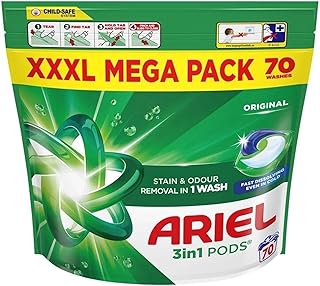
Switching to cold water for laundry can dramatically lower your energy usage. Heating water takes a lot of energy, so by opting for cold washes, you can reduce costs and extend the life of your clothes. Many modern detergents work effectively in cold water, making this change even easier!
By choosing cold water, you’re not just saving energy; you’re also preserving the color and quality of your fabrics. This small change can lead to big savings over time.
Benefits of washing in cold water:
– Energy Savings: Cut energy usage by up to 90% per load.
– Color Protection: Keeps clothes looking vibrant longer.
– Less Wear and Tear: Gentle on fabrics and extends their lifespan.
Next laundry day, embrace cold water washing and watch your bills shrink!
Image credit: Shiho on Pinterest
Wash Clothes in Cold Water
Editor’s Choice




Make your home more sustainable by incorporating eco-friendly projects like our 14 Eco-Friendly Candle Ideas that add warmth without waste.
8. Opt for Natural Ventilation

Instead of cranking up the air conditioning, take advantage of natural ventilation. Open your windows and doors to let in cool breezes, especially during the evening. Strategically placed fans can help circulate air, keeping your home fresh and reducing energy costs.
This approach not only cuts down on your reliance on AC but also creates a pleasant indoor environment. Use it to enhance your home’s comfort without the added expense.
Tips for effective natural ventilation:
– Cross-Ventilation: Open windows on opposite sides for airflow.
– Use Fans: Employ ceiling and portable fans to promote circulation.
– Close Blinds: Keep blinds down during peak heat hours for added comfort.
By embracing these natural methods, you can enjoy a comfortable home while significantly reducing your energy bills.
Image credit: Cotton on Pinterest
Opt for Natural Ventilation
Editor’s Choice


9. Use Energy-Efficient Window Treatments

Window treatments are vital for enhancing your home’s energy efficiency. Investing in energy-efficient curtains, shades, or blinds can block out summer heat and retain warmth in winter. Look for thermal or blackout options to insulate your windows effectively.
This not only aids in energy conservation but adds style to your décor. Choose treatments that fit your aesthetic while maximizing energy savings.
Window treatment tips:
– Thermal Curtains: Reduce energy loss significantly.
– Light-Colored Blinds: Reflect heat during warmer months.
– Layering: Combine treatments for enhanced efficiency.
With the right window treatments, you can create a stylish environment while boosting your home’s energy efficiency!
Did you know energy-efficient window treatments can cut cooling costs by up to 25% in summer and reduce heat loss in winter by 15%? These energy-saving tips make a real impact.
Image credit: Sustainables Project on Pinterest
10. Maintain Your HVAC System

Regular maintenance of your HVAC system is crucial for keeping it efficient. Cleaning or replacing filters, checking for leaks, and scheduling annual tune-ups can help your system run smoothly. A well-maintained HVAC system not only uses less energy but also has a longer lifespan.
Make it a priority to keep your HVAC system in top shape for maximum efficiency and comfort. This attention to detail can lead to significant savings over time.
HVAC maintenance tips:
– Change Filters: Replace or clean filters every 1-3 months.
– Inspect Ducts: Look for leaks or blockages regularly.
– Schedule Professional Tune-ups: Annual check-ups ensure optimal performance.
By caring for your HVAC system, you’ll enjoy lower bills and a more comfortable home!
Image credit: Comfort Air Zone on Pinterest
Maintain Your HVAC System
Editor’s Choice


You Might Also Like


11. Grow Your Own Food

Consider starting a small garden to grow your own herbs and vegetables. This not only cuts grocery costs but also reduces the energy footprint linked to transporting food. Plus, homegrown produce is fresher and often healthier! You can start with potted herbs on your windowsill or dedicate a small patch in your yard for veggies.
Growing your food can also be a rewarding hobby, providing both joy and practical benefits. It’s a great way to connect with nature while promoting sustainability.
Benefits of growing your own food:
– Saves Money: Cut down on grocery expenses for herbs and veggies.
– Freshness: Enjoy the taste of freshly picked produce.
– Sustainable: Lower your environmental impact by reducing transportation emissions.
Gardening is a fulfilling venture that can lead to delicious meals and significant savings!
Fact: One of the energy-saving tips is growing a small herb garden, which can cut grocery trips by 20% and slash the energy footprint from food transport. Start with a windowsill herb box—it’s quick, affordable, and surprisingly tasty.
Image credit: Abigail Runte on Pinterest
12. Embrace Renewable Energy

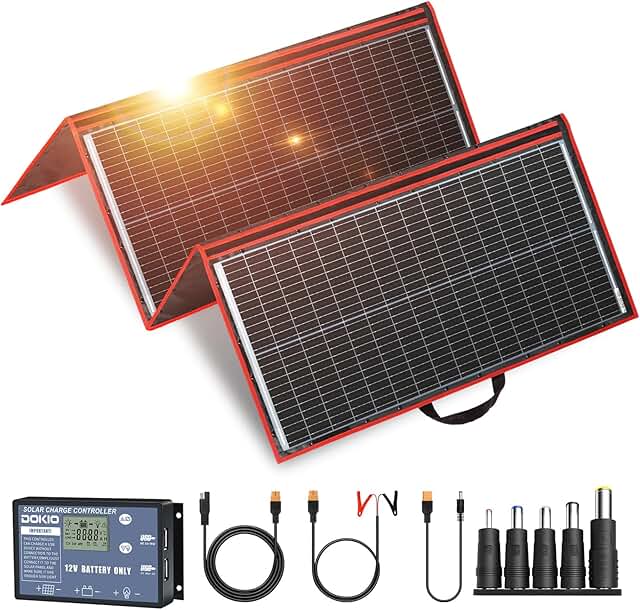
If you have the opportunity, consider investing in renewable energy sources like solar panels. Solar energy can drastically lower your electricity bills and reduce your carbon footprint. With various incentives and decreasing prices, solar options are becoming more accessible for homeowners. Even if full installation isn’t feasible, try starting small with solar-powered garden lights or portable chargers.
This investment can pay off significantly over time, both financially and environmentally. Explore your options and find what works best for your home.
Advantages of renewable energy:
– Cost Savings: Lower your electricity bills long-term.
– Environmental Impact: Reduce reliance on fossil fuels.
– Self-Sufficiency: Generate your own power.
Embracing renewable energy is a step towards a sustainable future, offering both savings and a cleaner planet!
Image credit: Md Kowsar Mia on Pinterest
Embrace Renewable Energy
Editor’s Choice


Conclusion

By implementing these energy-saving tips, you’re taking a positive step toward a more sustainable lifestyle.
Most of these changes are easy to make and can produce significant savings on your bills while benefiting the planet. It’s all about making mindful choices that reflect your values and lifestyle. Remember, every small action counts—so why not start today and share your journey with friends and family?
Note: We aim to provide accurate product links, but some may occasionally expire or become unavailable. If this happens, please search directly on Amazon for the product or a suitable alternative.
This post contains Amazon affiliate links, meaning we may earn a small commission if you purchase through our links, at no extra cost to you.
To complement your energy-saving efforts, try these 10 Simple Self-Care Rituals that promote a balanced and healthy lifestyle.
Frequently Asked Questions
Question: What are the most effective energy-saving tips for a typical home?
Answer: Here are the most effective energy-saving tips for a typical home to slash your bills and help the planet.
Start with these energy-saving tips: seal air leaks around doors and windows; install a programmable thermostat and set it to lower temperatures when you’re away or asleep; switch to LED lighting and unplug idle electronics to reduce standby power; choose energy-efficient appliances and run big loads during off-peak hours; improve water heating with better insulation and a modest setpoint; boost attic or wall insulation; use natural daylight and window coverings to reduce heating and cooling; add smart power strips to curb phantom loads; and if feasible, invest in eco-friendly upgrades like solar or heat pumps for sustained lower bills.
Question: How can I make my home more eco-friendly without a big budget?
Answer: You don’t need a fortune to start. Focus on low-cost, high-impact actions: seal leaks and weatherstrip doors, add door sweeps, switch to LED lighting, unplug chargers and use a smart power strip to curb standby power; adjust your thermostat by a few degrees; do a quick home energy check using online tools or utility programs; wash clothes in cold water and air-dry when possible; use ceiling fans to reduce reliance on AC; and minimize hot water use by shorter showers and efficient fixtures. All of these practical energy-saving tips can lead to lower bills and a more eco-friendly home.
Question: Will upgrading appliances really save money, or is it better to focus on behavior changes?
Answer: Both matter. A quick check is to compare the payback period of new Energy Star appliances with the ongoing savings from smarter habits. Replacing old refrigeration or heating devices can deliver substantial lower bills over time, but you’ll still see gains from simple shifts like running full loads, lowering thermostat settings, or air-drying laundry. Start with a quick home energy audit, then prioritize improvements that fit your budget and lifestyle.
Question: How can I reduce electricity use during peak hours?
Answer: It’s all about timing and automation. Shift heavy loads like laundry, dishwasher, and electric water heater to off-peak times when rates are lower. Use a programmable timer or smart plugs to automate these tasks, and lean on fans or natural ventilation when possible instead of running the AC during peak sun. Check with your utility for peak-rate periods and consider solar or battery storage if feasible. These strategies align with eco-friendly choices and can noticeably trim lower bills.
Question: What role does insulation and windows play in energy savings?
Answer: Insulation and windows are major players in energy efficiency. Poor insulation and drafty or single-pane windows let heat escape in winter and sneak in during summer, pushing up costs. Practical steps: add attic and wall insulation where possible; seal around windows with weatherstripping and caulk; upgrade to double-glazed or high-performance windows when replacing; use heavy curtains or window film to reduce heat gain in summer and heat loss in winter; seal leaks around frames and install door sweeps. With these improvements, you’ll amplify your energy-saving efforts and enjoy more comfortable temperatures while cutting lower bills and keeping things eco-friendly.
*As an Amazon Associate, I earn from qualifying purchases.
Related Topics
energy-saving tips
eco-friendly home
lower bills
sustainable living
energy efficiency
budget friendly
quick tips
green energy
home hacks
easy upgrades
environmental impact
cost-effective solutions
Related posts:
 12 One-Pot Weeknight Meals That Will Save You Time and Energy!
 14 Mindful Tips to Simplify Your Life and Embrace Minimalism Today!
 12 Essential Guest Hosting Tips That Will Make You a Super Host! (You Won’t Believe #8!)
 25 Genius Suitcase Packing Tips That Maximize Space (Say Goodbye to Overpacking!)
Leave a Reply