
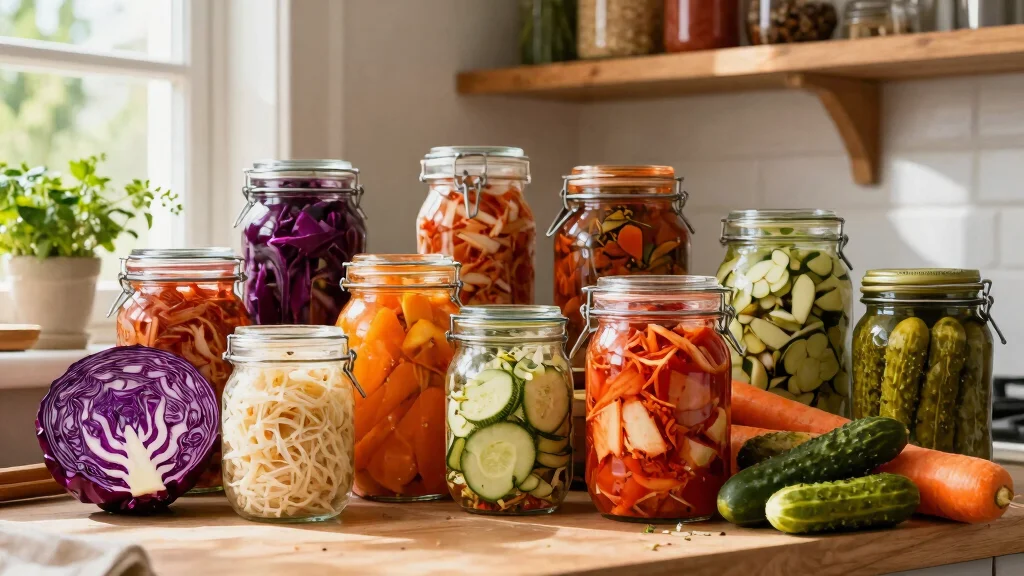
Fermented foods have made a comeback in recent years, and I can’t help but get excited about it! The tangy flavors and health benefits have me craving all things fermented. You might have heard that these foods are good for your gut, but have you ever considered making them at home? If you’re someone who enjoys cooking or is curious about healthy eating, this one’s for you.
If you’re on a journey to improve your wellness, you might also love our guide on 20 Fiber-Rich Meals That Are a Game Changer for Meal Prep Lovers to keep your gut happy and healthy!
I pulled together a list of 10 easy fermented foods you can whip up in your kitchen. These recipes are not only simple but also fun to make, perfect for beginners. You’ll discover how to create delicious treats like sauerkraut, kimchi, and even homemade kombucha. Your taste buds will be delighted, and your gut will thank you!
Each recipe offers a unique flavor and a chance to boost your health with beneficial probiotics. So, whether you’re looking to improve your digestive health or just want to impress your friends with homemade goodies, these 10 fermentation recipes will give you the confidence to dive into this healthy world. Let’s get started!
Key Takeaways
– Discover the Benefits: Fermented foods are packed with probiotics that can aid digestion and enhance gut health.
– Simple Recipes: Each recipe is designed for beginners, making it easy for you to start fermenting at home.
– Variety of Flavors: Enjoy a range of tasty options from tangy sauerkraut to spicy hot sauce, ensuring there’s something for everyone.
– Fresh Ingredients: Most recipes use readily available vegetables and fruits, emphasizing a healthy and fresh approach to cooking.
– Culinary Adventure: Embrace the fermentation process as a fun and engaging way to explore new tastes and cooking techniques.
Contents
- 1. Sauerkraut: The Classic Fermented Cabbage
- 2. Kimchi: A Korean Fermented Delight
- 3. Pickled Cucumbers: Crunchy and Refreshing
- 4. Fermented Carrots: A Sweet, Tangy Crunch
- 5. Fermented Hot Sauce: Spice Up Your Life
- 6. Fermented Garlic: A Flavorful Condiment
- 7. Fermented Salsa: A Fresh Twist on a Classic
- 8. Fermented Beets: Earthy and Sweet
- 9. Fermented Fruit: Sweet and Tangy Treats
- 10. Fermented Tea: Kombucha, the Fizzy Elixir
1. Sauerkraut: The Classic Fermented Cabbage

Craving something tangy and crunchy? Sauerkraut is the perfect solution. This fermented cabbage dish not only enhances your sandwiches and sausages but also stands out as a tasty side on its own.
Rich in vitamin C and probiotics, it supports your immune system and gut health. Making sauerkraut is a breeze, and you can tailor it to your taste by adding spices or other veggies for a unique twist.
Ingredients:
– 1 medium head of cabbage (about 2-3 pounds)
– 1-3 tablespoons of sea salt (adjust based on taste)
– Optional: caraway seeds, juniper berries, or grated carrots for flavor
Instructions:
1. Remove the outer leaves from the cabbage and set them aside.
2. Shred the cabbage finely and place it in a large bowl.
3. Sprinkle salt over the cabbage and massage it with your hands for about 5-10 minutes until it releases its juices.
4. Pack the cabbage tightly into a clean glass jar, pressing down to eliminate air bubbles.
5. Top with reserved cabbage leaves to keep the shredded cabbage submerged under the brine.
6. Cover the jar with a cloth and secure it with a rubber band. Place it in a cool, dark spot.
7. Taste after one week and continue fermenting until it reaches your desired flavor.
FAQs:
– How do I know when it’s ready?
– When the sauerkraut is tangy and flavorful, it’s ready to eat!
Image credit: We Overcome – Healthy Snacks I Weight Loss Meals I Mental Health on Pinterest
2. Kimchi: A Korean Fermented Delight

Ready to add some spice to your meals? Kimchi is here to deliver! This traditional Korean dish is a vibrant mix of fermented vegetables, mainly napa cabbage and radishes, combined with a kick of garlic, ginger, and chili peppers.
Not only is it packed with flavor, but it’s also a powerhouse of nutrients and probiotics, making it a fantastic addition to your diet. Plus, you can adjust the spice level to make it just right for you!
Ingredients:
– 1 medium napa cabbage
– 1 cup Korean radish, sliced
– 3 green onions, chopped
– 5-6 cloves garlic, minced
– 1 inch piece of ginger, grated
– 2-3 tablespoons Korean red pepper flakes (gochugaru)
– 2 tablespoons fish sauce or soy sauce
– 1 tablespoon sugar
– Salt to taste
Instructions:
1. Cut the napa cabbage into quarters, remove the core, and chop it into bite-sized pieces.
2. In a bowl, sprinkle salt over the cabbage and let it sit for 1-2 hours until it wilts and releases water.
3. Rinse the cabbage and drain excess water.
4. In another bowl, combine the garlic, ginger, gochugaru, fish sauce, and sugar to create the paste.
5. Add the drained cabbage, radish, and green onions to the paste; mix well.
6. Pack the mixture into a clean jar, ensuring it’s tightly packed and submerged in the liquid.
7. Leave it to ferment at room temperature for 1-3 days, tasting it daily until it hits your desired flavor.
FAQs:
– Can I adjust the spiciness?
– Absolutely! Just add less gochugaru if you prefer a milder taste.
Kimchi proves that bold flavor and gut health can go hand in hand. Start with a small spoonful and tailor the spice to your taste, then mix it into meals for a daily dose of probiotics and fermented foods.
Image credit: TastyUp on Pinterest
3. Pickled Cucumbers: Crunchy and Refreshing

Who can resist the crunch of a freshly pickled cucumber? Making these at home is not only straightforward but also a fun way to savor summer’s bounty. With just a handful of ingredients, you can whip up crispy pickles that are perfect for snacking or spicing up your meals.
The lacto-fermentation process not only enhances the flavor but also provides a healthy dose of probiotics. Feel free to experiment with spices and herbs to craft your perfect pickle!
Ingredients:
– 1 pound small cucumbers (pickling variety)
– 2 tablespoons sea salt
– 2 cups water
– 3-4 cloves garlic, peeled
– 1 tablespoon mustard seeds
– 1 tablespoon dill seeds or fresh dill
– Optional: red pepper flakes for heat
Instructions:
1. In a bowl, dissolve the sea salt in water to create a brine.
2. Place the cucumbers in a clean jar. Add garlic, mustard seeds, dill, and optional red pepper flakes.
3. Pour the brine over the cucumbers, ensuring they are fully submerged.
4. Seal the jar loosely and leave it at room temperature for 1-2 weeks.
5. Taste them after a week, and once they reach your preferred taste, transfer them to the refrigerator.
FAQs:
– How can I tell if my pickles are ready?
– When they taste tangy and flavorful, they’re ready to enjoy!
Image credit: Tasty with Lara – Delicious Recipes & Culinary Inspiration on Pinterest
4. Fermented Carrots: A Sweet, Tangy Crunch

Looking to enjoy carrots in a whole new way? Fermented carrots are a delightful option that adds a sweet and tangy twist! These crunchy bites are perfect as snacks or in salads and sandwiches.
Like other fermented foods, these carrots are loaded with probiotics and are easy to personalize with various spices and herbs. You can even add garlic or ginger for an extra flavor boost!
Ingredients:
– 1 pound carrots, cut into sticks or rounds
– 1 tablespoon sea salt
– 4 cups water
– Optional: sliced garlic, ginger slices, or spices like cumin or coriander
Instructions:
1. In a bowl, dissolve sea salt in water to create the brine.
2. Place the carrot pieces in a clean jar, adding garlic or spices if desired.
3. Pour the brine over the carrots, making sure they are completely submerged.
4. Cover the jar with a cloth and let it ferment at room temperature for 3-7 days, tasting periodically.
5. Once they reach the desired tang, transfer them to the fridge to halt fermentation.
FAQs:
– How long do they last in the fridge?
– They should last several weeks in the refrigerator if stored properly.
Fun fact: Fermented carrots can deliver up to 1 billion probiotics per bite, giving your gut a powerful boost and supporting digestion in your fermented foods routine. Plus, the sweet-tangy crunch makes healthy snacking feel like a treat.
Image credit: WholeMade Homestead on Pinterest
5. Fermented Hot Sauce: Spice Up Your Life

Are you a spice enthusiast? Homemade fermented hot sauce is your new best friend! This zesty condiment is not only tangy but also brings a flavor explosion that outshines store-bought options.
You have full control over the heat and ingredients, tailoring it to your taste. Plus, it’s packed with probiotics, making it a delicious and gut-friendly addition to your meals!
Ingredients:
– 1 pound hot peppers (jalapeños, habaneros, etc.)
– 2 cups water
– 1 tablespoon sea salt
– Optional: garlic, onion, or herbs for flavor
Instructions:
1. Chop the peppers (remove seeds for a milder sauce).
2. Dissolve salt in water to create the brine.
3. Place the chopped peppers in a jar, adding garlic or onions if desired.
4. Pour brine over the peppers, ensuring they are covered.
5. Cover the jar with a cloth and let it ferment at room temperature for 1-3 weeks.
6. Once fermented, blend the mixture until smooth, adding extra water if necessary.
7. Bottle your hot sauce and store it in the fridge.
FAQs:
– Can I use dried peppers?
– Yes, you can, but you may need to adjust the salt and water ratios.
Image credit: Gardening& CookingWithJn on Pinterest
6. Fermented Garlic: A Flavorful Condiment

If garlic is your jam, fermented garlic is a must-try! This condiment transforms the pungent flavor of garlic into a sweet, tangy delight that elevates your dishes.
Garlic is renowned for its health benefits, including boosting immunity and supporting heart health. Fermenting garlic not only preserves it but also enhances its nutritional properties.
Ingredients:
– 1 cup peeled garlic cloves
– 2 cups water
– 1 tablespoon sea salt
Instructions:
1. Dissolve the salt in water to create a brine.
2. Add garlic cloves to a clean jar, leaving some space at the top.
3. Pour the brine over the garlic, ensuring all cloves are submerged.
4. Cover with a cloth, and let it ferment at room temperature for 2-4 weeks.
5. Taste periodically; once it’s tangy, store it in the fridge!
FAQs:
– How long does fermented garlic last?
– It can last several months in the refrigerator if stored properly.
Image credit: Sarah LaMoine George on Pinterest
How To Choose The Right Fermented Foods to Make at Home
Choosing the right fermented foods to make at home can feel overwhelming, especially with so many options available. Here’s a simple guide to help you select the perfect recipes that suit your taste and health goals.
1. Flavor Profile
Think about the flavors you enjoy most. Do you like tangy, spicy, or sweet? Knowing your preferences will guide you in selecting the right fermented foods. For example, if you love spicy dishes, try making Kimchi or Fermented Hot Sauce. If you prefer something milder, Sauerkraut or Fermented Carrots might be the way to go.
2. Nutritional Benefits
Different fermented foods offer various health benefits. Some are rich in probiotics, while others may provide essential vitamins and minerals. Check the nutrients you’d like to increase in your diet. For example, Fermented Beets are great for antioxidants, while Fermented Garlic can boost your immune system. Understanding these benefits will help you make healthier choices.
3. Ease of Preparation
Consider how much time and effort you want to invest. Some recipes, like Pickled Cucumbers, are quick and easy, taking only a few days to ferment. Others, like Kombucha, require more attention over several weeks. If you’re a beginner, start with simpler recipes to build your confidence before moving on to more complex projects.
4. Ingredients Availability
Look at what ingredients are easily available to you. If you can’t find fresh cabbage, making Sauerkraut might be difficult. Local farmers’ markets or grocery stores can be great places to source fresh produce. When you select recipes that use seasonal or easily accessible ingredients, you can keep costs low and ensure freshness.
5. Storage Space
Consider how much space you have for fermenting and storing your foods. Some fermented items, like Fermented Fruits and Vegetables, can take up more room, especially in larger batches. Ensure you have the right containers and enough space in your fridge for storing finished products. This will help prevent spoilage and allow you to enjoy your creations longer.
6. Experimentation
Don’t be afraid to try different recipes. Fermentation is a forgiving process, and experimenting can lead to exciting flavors. You might discover a unique twist on a classic recipe or create your own signature fermented dish. Keep an open mind and enjoy the process of learning what works best for you.
Pro Tip: Start with one or two recipes that appeal to you. Once you feel comfortable, gradually expand your fermentation repertoire. This way, you won’t feel overwhelmed, and you can learn the nuances of fermentation at your own pace. Happy fermenting!
7. Fermented Salsa: A Fresh Twist on a Classic

Why settle for ordinary salsa when you can have fermented salsa? This lively mix adds a zesty flair to tomatoes, onions, and peppers, transforming your favorite dip into something extraordinary.
With a burst of fresh ingredients, this recipe is ideal for taco nights or as a crunchy dip for chips. The fermentation process not only enhances the flavor but also packs it with probiotics for added health benefits!
Ingredients:
– 4 ripe tomatoes, diced
– 1 small onion, diced
– 1-2 jalapeños, minced (adjust for spice)
– 2 cloves garlic, minced
– 1 tablespoon sea salt
– 1 lime, juiced
– Optional: cilantro for garnish
Instructions:
1. Combine all the ingredients in a bowl and mix well.
2. Pack the mixture into a clean jar, pressing down to eliminate air bubbles.
3. Leave the jar at room temperature for 1-3 days, tasting daily until it reaches your desired tanginess.
4. Once ready, store it in the fridge to halt fermentation.
FAQs:
– Does it need to be refrigerated?
– Yes, once it’s fermented to your liking, refrigerate to preserve its freshness.
Image credit: Breanna Gillespie on Pinterest
8. Fermented Beets: Earthy and Sweet

Discover the deliciousness of fermented beets! This vibrant, nutrient-rich vegetable becomes even more delightful through fermentation, resulting in a tangy treat that shines in salads or as a side dish.
Beets are not only packed with vitamins but also support liver health and detoxification. This easy recipe is perfect for beginners looking to add some color and flavor to their meals!
Ingredients:
– 2-3 medium-sized beets, peeled and shredded
– 1 tablespoon sea salt
– 2 cups water
– Optional: spices like cumin or coriander for added flavor
Instructions:
1. Dissolve sea salt in water to create a brine.
2. Place shredded beets in a clean jar, adding optional spices if desired.
3. Pour brine over the beets, ensuring they are fully submerged.
4. Cover the jar with a cloth and let it ferment at room temperature for 1-2 weeks.
5. Taste periodically until they reach your desired flavor, then refrigerate to halt fermentation.
FAQs:
– How long do they last in the fridge?
– Fermented beets can last several months when stored in the refrigerator properly.
Image credit: Body Wisdom Nutrition on Pinterest
9. Fermented Fruit: Sweet and Tangy Treats

Craving something sweet yet tangy? Fermented fruits are the answer! From strawberries to peaches, you can create delightful treats that are perfect for snacking or as toppings for yogurt and desserts.
Fruits naturally contain sugars that promote fermentation, resulting in a unique flavor that enhances their nutritional value. Plus, the probiotics from the fermentation boost gut health!
Ingredients:
– 2 cups fresh fruit (strawberries, peaches, or apples)
– 1 tablespoon sea salt
– 2 cups water
– Optional: spices like cinnamon or vanilla for flavor
Instructions:
1. Chop the fruit into bite-sized pieces, removing any unwanted parts.
2. Dissolve the sea salt in water to create a brine.
3. Place the fruit in a clean jar and add optional spices if desired.
4. Pour the brine over the fruit, ensuring it’s fully submerged.
5. Cover with a cloth and allow it to ferment at room temperature for 3-7 days.
6. Taste periodically until they reach your desired sweetness, then refrigerate.
FAQs:
– Can I use frozen fruit?
– Yes, but fresh fruit gives the best results.
Image credit: Organic Authority on Pinterest
10. Fermented Tea: Kombucha, the Fizzy Elixir

And finally, let’s talk about kombucha! This fizzy fermented tea offers a delightful burst of flavor and is a favorite among health enthusiasts. Made by fermenting sweetened tea with a SCOBY, it results in a tangy, effervescent drink.
Not only is kombucha rich in probiotics, aiding digestion and detoxification, but you can also customize the flavors by adding fruits or herbs during the second fermentation.
Ingredients:
– 8 cups of water
– 1 cup sugar
– 8 bags of black or green tea
– 1 SCOBY
– 2 cups starter tea (from a previous batch or store-bought)
– Optional: fruits or herbs for flavor
Instructions:
1. Boil water and dissolve sugar, then add tea bags and steep for about 15 minutes.
2. Allow the tea to cool to room temperature, then remove the tea bags.
3. Pour the sweetened tea into a glass jar, add starter tea, and gently place the SCOBY on top.
4. Cover the jar with a cloth, securing it with a rubber band to allow airflow.
5. Let it ferment for 1-2 weeks, tasting periodically to find your preferred flavor.
6. For a second fermentation, add flavors, bottle, and let it sit for a few more days before chilling.
FAQs:
– How long can I keep homemade kombucha?
– It can last for several weeks in the fridge, but it may become more vinegar-like over time.
Fun fact: A single batch of homemade kombucha can yield about 8–12 eight-ounce bottles, giving your gut-friendly fizz for nearly two weeks. With a second fermentation, you can tailor flavors using fruits or herbs to boost probiotics and taste.
Image credit: Hypnotherapist & Holistic Coach on Pinterest
Conclusion: Embrace the Fermentation Adventure!

Fermented foods are a colorful, flavorful way to enhance your diet while boosting your gut health. From tangy sauerkraut to zesty kimchi, the options are endless, and the benefits are undeniable. Trying out these 10 easy recipes can be a fun and rewarding kitchen adventure!
Whether you’re looking to preserve your summer harvest or simply want to experiment with new flavors, these recipes are perfect for beginners. So grab some jars, gather your ingredients, and embark on your fermentation journey! Your gut will be grateful for it.
Note: We aim to provide accurate product links, but some may occasionally expire or become unavailable. If this happens, please search directly on Amazon for the product or a suitable alternative.
This post contains Amazon affiliate links, meaning we may earn a small commission if you purchase through our links, at no extra cost to you.
Frequently Asked Questions
Which fermented vegetables are the easiest to start with at home?
For beginners, popular and easy fermented foods include sauerkraut (shredded cabbage), quick-pickled carrots, cucumber pickles, radishes, and onions.
To get started: weigh the vegetables and use about 2% salt by weight; massage until they release juice; pack tightly in a clean jar and submerge under their own brine; add a simple fermentation weight and seal loosely to vent gases.
Keep at about 60-70 F for 3-7 days, then taste daily and refrigerate when you like the flavor. With these easy recipes, you’ll introduce probiotics into your routine and begin your journey with fermented foods you can actually enjoy.
Do I need special equipment to ferment vegetables at home?
No dedicated fermenting gear is required to start making fermented foods at home—just a clean jar, a weight to keep the veggies submerged, and a breathable cover.
A mason jar with a fermentation weight or a clean resealable bag works as a weight.
Fill the jar with chopped veggies, add about 2% salt by weight to create the brine, pack tightly, submerge, and cover loosely to vent gases.
Keep it at room temperature (about 60-70 F) for several days and check daily. This simple setup makes easy recipes approachable for beginners and helps ensure safe fermentation.
What are the health benefits of eating fermented vegetables regularly?
Regularly enjoying fermented vegetables can boost your gut microbiome with live probiotics, support digestion, and enhance nutrient availability—key reasons these health benefits are often highlighted for fermented foods.
Start small, like ¼ to ½ cup daily, and pair them with meals to savor the tangy flavors and keep things balanced.
Remember, benefits vary by person, and choose low-sodium options if you watch salt intake.
Store them in the fridge to preserve the probiotics and flavor, making these easy recipes a sustainable habit.
How long do easy fermentation recipes take from start to finish?
Most vegetables ferment in a few days to a couple of weeks, depending on temperature and the type of vegetable. Quick pickles or kraut-like mixes often finish in 3-7 days at room temperature, while sauerkraut or kimchi-style ferments may take 1-3 weeks or longer. After setup, taste daily and refrigerate when you like the flavor to slow fermentation. In a beginner kitchen, plan 1-2 weeks for most easy fermented foods, and you can still enjoy earlier results if you like crunch and tang.
What are common problems when fermenting vegetables and how can I fix them?
Mold on the surface can be common in early batches; simply remove any surface scum and keep veggies submerged; ensure brine has enough salt (about 2%) to outcompete spoilage organisms.
If fermentation is slow or fizz is absent after a week or two, check temperature (60-70 F) and salt level, press vegetables down, and ensure no air pockets.
If the batch smells off, or you see sliminess or unusual colors, discard. Always use clean utensils, sanitize jars, and store finished products in the fridge. With these tips, you’ll keep creating delicious fermented foods and feel confident in your easy recipes.
Related Topics
fermented foods
easy recipes
gut health
homemade probiotics
beginner friendly
fermented vegetables
health benefits
DIY fermentation
quick fermentation
simple techniques
healthy snacks
seasonal recipes


Leave a Reply